Devices & receptacles
Receptacles, switches, data outlets, and floor boxes counted by type and room off the power and lighting plans — with boxes, plates, and rings included.
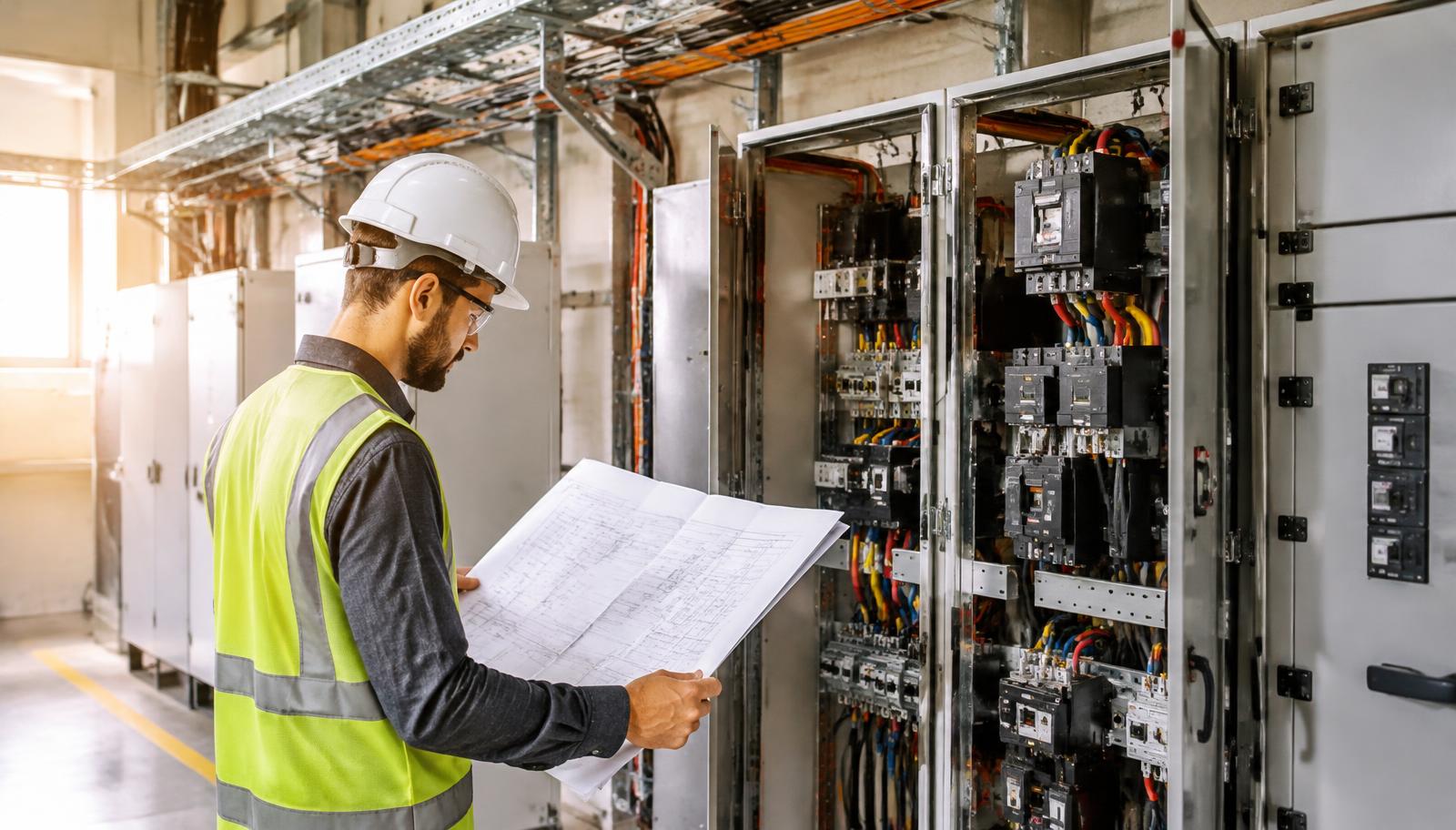
Your Buildbid agent reads the electrical drawings, panel schedules, and specs, then returns devices, fixtures, wire, and conduit — priced at your labor units, in minutes.
Quantities come off your drawings and schedules. Labor comes from your units. Nothing is filled in from a per-square-foot average.
Receptacles, switches, data outlets, and floor boxes counted by type and room off the power and lighting plans — with boxes, plates, and rings included.
Fixtures matched to the lighting schedule by type tag, with occupancy sensors, dimming, and lighting control panels scoped from the sequences.
Homerun and branch circuit lengths measured by route, with conduit type, size, fittings, and fill checked against the circuit count.
Switchboards, panelboards, transformers, and disconnects pulled from the one-line and panel schedules, priced at your gear quotes and lead times.
Feeder sizes, parallel sets, and lengths taken from the riser and one-line, so the most expensive copper on the job is measured, not guessed.
Fire alarm devices, security, access control, and structured cabling separated by system, so you can self-perform or carry a sub number.
Mechanical, plumbing, and owner equipment connections tied to the other trades' schedules, so no RTU or water heater ships without power.
Temp power, grounding, testing, and startup surfaced as line items you decide on, instead of scope that shows up after the award.
Every device, fixture, and run with units, locations, and the sheet it came from.
Schedule quantities against your vendor quotes, so substitutions and lead times are visible early.
Hours per system and per floor at your labor units, so the schedule matches the number.
Material, labor, and sub rates you set — applied the same way on every bid.
And the summary: a bid you can defend line by line, out the door before the addendum deadline.
Four assumptions that decide whether an electrical bid makes margin. Your agent makes each one explicit, priced, and visible before you submit.
Branch circuits priced off a typical length come up short on long floors — and copper is the line item that moves.
An approved-equal package with different drivers or controls changes labor, not just material.
Connections to mechanical and owner equipment buried in other divisions turn into unpriced work.
Switchgear quoted today may not hold. Escalation and long lead items belong in the price.
Tell us how you price electrical work — your labor units, assemblies, vendor discounts, and markups. We train a custom AI agent on your way of bidding.
Upload the electrical drawings, panel schedules, and specs. Your agent reads them and builds a detailed electrical takeoff.
Review quantities, labor hours, and a complete line-item estimate in a fraction of the usual time — then tweak, approve, and send the bid.
Electrical bids come down to accurate counts, measured runs, and honest labor units. Here is a step-by-step process for bidding electrical jobs.
Go room by room on the power and lighting plans. Count receptacles, switches, data outlets, and every fixture by its schedule tag.
List switchboards, panels, transformers, and disconnects from the one-line diagram and panel schedules, then get vendor quotes and lead times.
Measure feeder lengths from the riser, and branch and homerun lengths by actual route. Size conduit and fittings to match the wire fill.
Break out fire alarm, security, access control, and data so you can self-perform or carry a sub price for each system.
Multiply each quantity by your labor units and adjust for working height, ceiling type, and building conditions.
Cross-check mechanical and plumbing schedules for every unit that needs power, and price temporary power, testing, and startup.
Most use labor units — hours per device, per foot of conduit, or per fixture — then adjust for job conditions. Your own historical units beat published tables.
Per-square-foot pricing works for budgets, but competitive bids need a real takeoff. Fixture packages and feeder lengths swing the number too much.
Buildbid.ai builds a custom AI agent that does these steps on your plans, at your rates, so every electrical bid goes out faster and more consistent.
Read the full electrical estimating guide →Send us a set of electrical drawings and how you price devices and wire today. We'll show you the takeoff and the number a custom Buildbid agent comes back with.